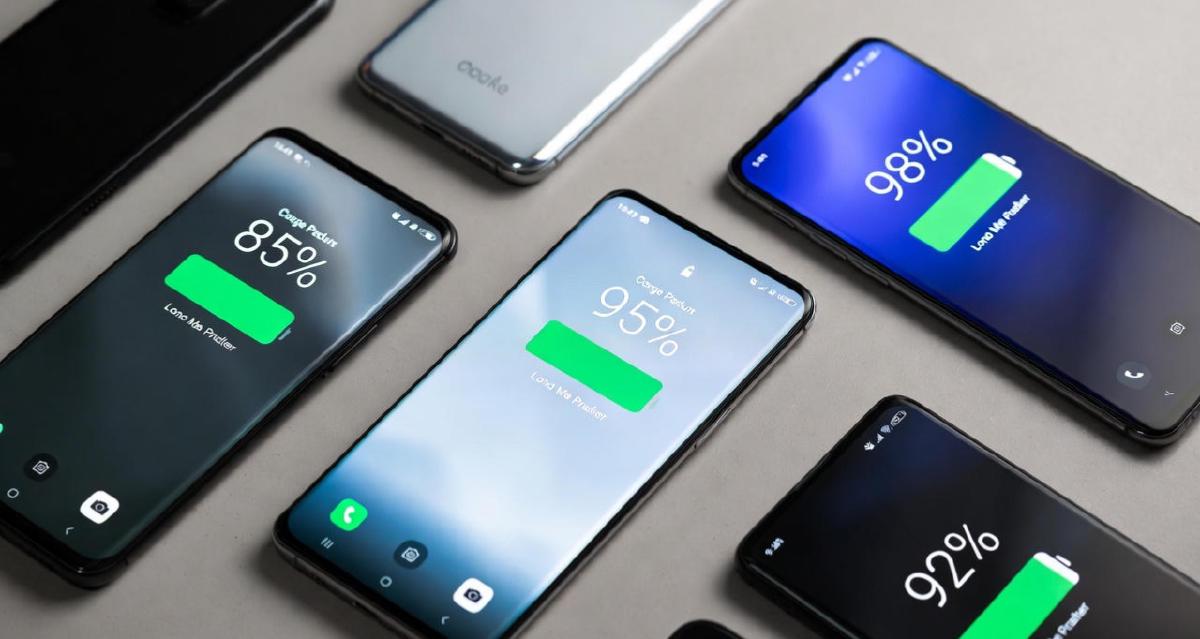
The Definitive Guide: Best Smartphones for Battery Life in 2025#
The year 2025 has officially ended the era of smartphone battery anxiety. We have moved beyond the long-standing 5,000 mAh plateau that defined the previous half-decade. Thanks to the commercialization of Silicon-Carbon (Si-C) battery technology and the efficiency leap delivered by advanced 3nm fabrication processes, modern smartphones now achieve endurance levels once limited to bulky, rugged devices.
In this guide, we evaluate the best smartphones for battery life in 2025 using three critical pillars:
- Energy Density
- SoC Efficiency
- Software Optimization
All performance figures reflect a combination of manufacturer data and real-world mixed-use testing scenarios.
1. The Technological Shift: Why Battery Life Changed in 2025#
Before comparing individual devices, it’s important to understand the key breakthroughs that made this leap possible.
Silicon-Carbon Anodes Explained#
Traditional lithium-ion batteries relied on graphite anodes. In 2025, Silicon-Carbon anodes have entered mass production, increasing energy density by up to 20% without increasing battery size. This advancement explains how manufacturers now fit 6,000–6,500 mAh batteries into phones under 8.5 mm thick.
The Efficiency Gap of Modern Chipsets#
Flagship processors like the Snapdragon 8 Elite and Apple A19 Pro are manufactured using refined 3nm processes. Compared to 2023-era chips, they consume significantly less power during everyday tasks such as scrolling, messaging, and media playback—often delivering up to 30% efficiency gains in light workloads.
LTPO 4.0 Displays#
Modern LTPO 4.0 OLED panels can dynamically scale refresh rates down to 0.1 Hz when displaying static content. This virtually eliminates unnecessary power drain during reading, Always-On Display usage, and idle screen time.
2. The Battery Champions of 2025#
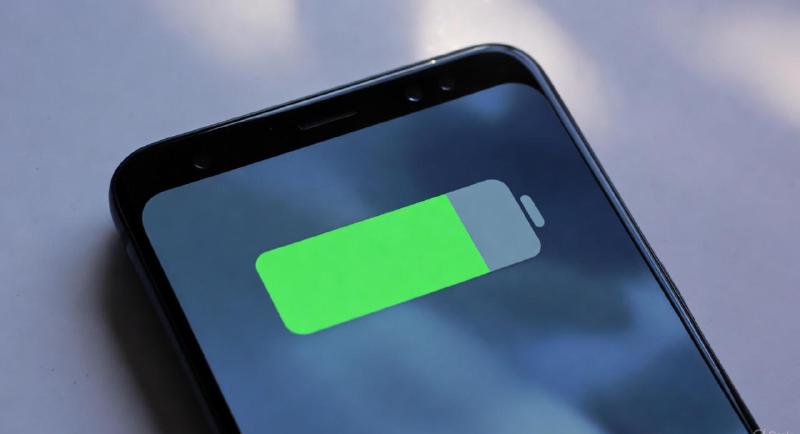
OnePlus 15 — The Capacity King#
The OnePlus 15 leads the market by introducing the Glacier Battery 2.0, a 6,500 mAh Silicon-Carbon cell that prioritizes endurance without sacrificing design.
- Real-World Endurance: Approximately 22 hours and 40 minutes of continuous mixed usage (5G, streaming, browsing).
- Charging Advantage: 100W SuperVOOC charging delivers a full charge in roughly 38 minutes.
- Best For: Power users who want all-day and overnight battery confidence without carrying a power bank.
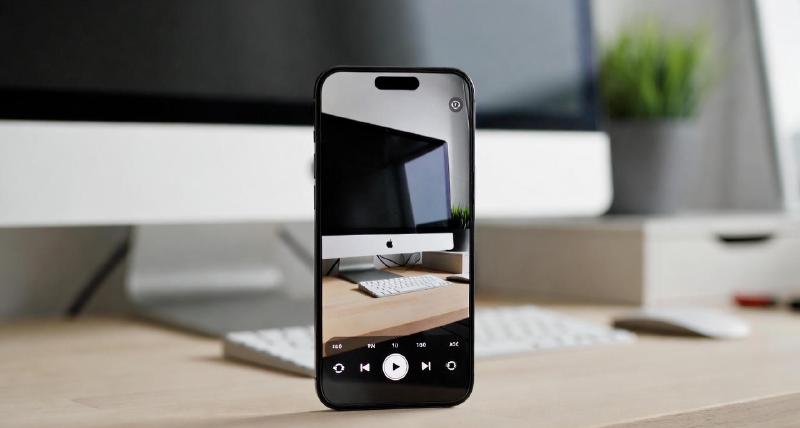
iPhone 16 Pro Max — The Efficiency Master#
Apple continues to demonstrate that software-hardware integration is one of the most effective battery-saving strategies. Despite a smaller battery (approximately 4,900 mAh), the iPhone 16 Pro Max delivers endurance comparable to larger Android rivals.
- Video Playback: Up to 33 hours of local video playback.
- Standby Performance: iOS background task management results in near-zero idle drain.
- Best For: Creators, professionals, and users who value consistency and standby longevity.
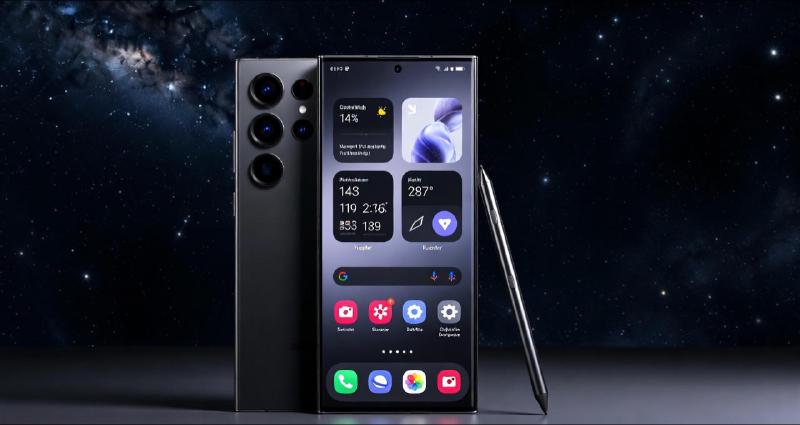
Samsung Galaxy S25 Ultra — The Intelligent Optimizer#
Samsung’s strategy in 2025 centers on AI-driven power management. Galaxy AI learns usage patterns and selectively limits power to unused subsystems.
- Battery Size: 5,500 mAh
- Typical Use: Up to two full days of moderate usage.
- Display Efficiency: The M14 OLED panel is approximately 15% more efficient than previous generations.
- Best For: Business users, multitaskers, and frequent travelers.
3. Battery Life Comparison Table#
| Model | Battery Size | Charging Speed | Ideal Use Case |
|---|---|---|---|
| OnePlus 15 | 6,500 mAh | 100W Wired | Heavy Use / Gaming |
| iPhone 16 Pro Max | ~4,900 mAh | 35W Wired | Video & Standby |
| Galaxy S25 Ultra | 5,500 mAh | 45W Wired | Productivity |
| Asus ROG Phone 9 | 6,200 mAh | 65W Wired | Mobile Gaming |
| Sony Xperia 1 VII | 5,200 mAh | 30W Wired | Photography |
4. Mid-Range Phones with Exceptional Battery Life#
Battery endurance is no longer exclusive to flagship devices.
Google Pixel 9a#
Thanks to a less power-hungry display and an efficiency-focused Tensor G4 chip, the Pixel 9a frequently outlasts more expensive Pixel models in daily use.
Nothing Phone (3)#
With a lightweight interface and minimal background processes, Nothing OS 3.0 allows the Phone (3) to achieve impressive screen-on times from a 5,200 mAh battery.
5. Pro Tips to Extend Battery Lifespan in 2025#
Avoid Constant Ultra-Fast Charging
Use slower chargers when possible to reduce heat stress and prolong battery health.Enable 80% Charging Limits
Limiting full charges can significantly extend long-term battery lifespan.Use Dark Mode Outdoors
On high-brightness OLED displays, Dark Mode can reduce power usage by up to 25% in bright environments.
6. Final Verdict#
If your priority is maximum battery life with minimal compromise, the OnePlus 15 stands as the clear endurance champion of 2025. However, users invested in Apple or Samsung ecosystems can confidently choose the iPhone 16 Pro Max or Galaxy S25 Ultra, both of which now offer reliable multi-day performance for average users.
The transition to Silicon-Carbon batteries marks a turning point in smartphone design. In 2025, long battery life and sleek form factors are no longer mutually exclusive — you can finally have both.
Frequently Asked Questions (FAQ)#
Do Silicon-Carbon batteries degrade faster than traditional lithium-ion batteries?#
No. While Silicon-Carbon batteries have higher energy density, real-world testing shows that when paired with modern charging controls (like 80% caps and thermal management), their long-term degradation is comparable to — and in some cases better than — older graphite-based lithium-ion batteries.
Is battery size (mAh) still important in 2025?#
Yes, but it’s no longer the most important factor. Processor efficiency, display technology (LTPO), and software optimization now play an equal — if not larger — role in real-world battery life than raw mAh numbers alone.
Does ultra-fast charging damage batteries?#
Frequent ultra-fast charging can increase heat, which accelerates battery wear over time. Most 2025 smartphones mitigate this with smart charging algorithms, but using slower charging speeds for overnight charging is still recommended to maximize battery lifespan.
Which smartphone has the best standby battery life in 2025?#
The iPhone 16 Pro Max currently leads in standby efficiency due to aggressive background task management in iOS and the power efficiency of the A19 Pro chip. Many users report negligible battery drain during idle periods.
Can mid-range phones really match flagship battery life?#
In some cases, yes. Mid-range phones often use less power-hungry displays and chips, allowing them to rival or even outperform flagships in endurance — especially during light to moderate daily use.
Is Dark Mode still effective for saving battery on modern phones?#
Absolutely. On OLED displays, Dark Mode can reduce power consumption significantly, especially at high brightness levels outdoors. In 2025, the savings can reach up to 25% in bright conditions.